Wind Damage
Wind Damage Is Easy to Underestimate.
Insurers Know That.
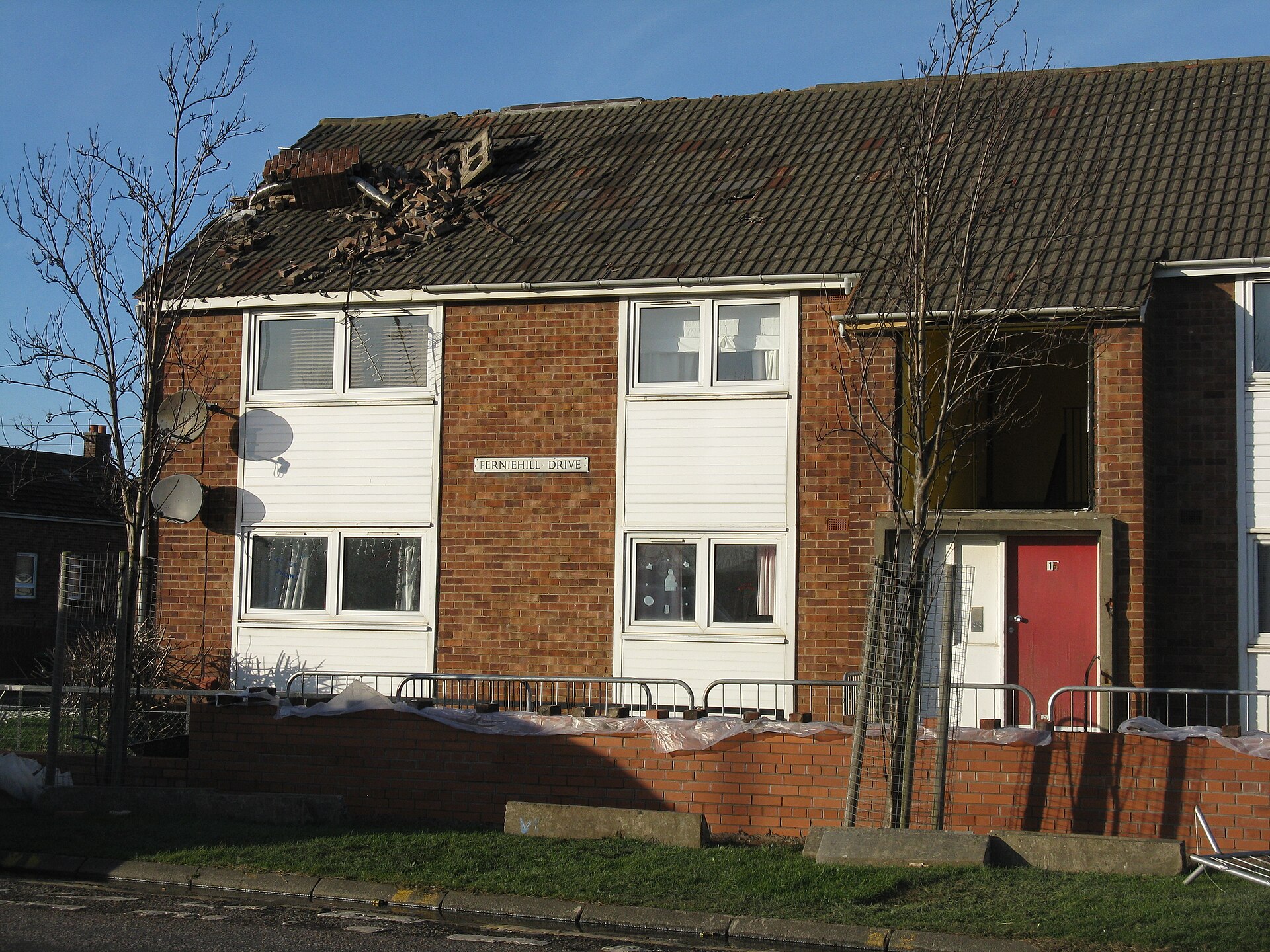
A few lifted shingles look minor from the ground. Up close, they represent compromised decking, exposed underlayment, and a moisture pathway into your home. Wind damage claims require precise documentation. We know exactly how to build that file.
Talk to someone now
(816) 866-4235A Different Kind of Damage
Wind damage and hail damage are not the same claim. They require different documentation.
Hail damage leaves physical impact marks that can be measured and photographed. Wind damage is more structural. Lifted shingles, broken seals, torn flashing, and ridge cap loss do not always photograph the same way. Some insurers apply stricter thresholds to wind claims, requiring proof that wind speeds in your area met a specific threshold during the storm event.
Our team documents wind damage in a way that connects the physical damage to verified weather data from the storm event. That combination is what makes a wind claim hold up when an insurer pushes back.
We build the file that makes the case. Not just the photos.
Schedule Your Free InspectionTypes of Wind Damage
What we look for on every wind damage inspection.
Wind affects different parts of your roof in different ways. Here is what a thorough inspection covers.
Lifted and Missing Shingles
Wind gets under shingles and breaks the adhesive seal that holds them flat. Lifted shingles allow water to penetrate immediately. Missing shingles leave decking exposed. Both are documented with photographs showing the scope and location across every affected slope.
Broken Seal Strips
Every shingle has a factory-applied adhesive strip that bonds it to the shingle below. High winds break these seals without visibly lifting the shingle. From the ground the roof looks intact. From up close you can see shingles that are no longer bonded and will fail in the next storm. This is one of the most commonly missed damage types in a standard inspection.
Ridge Cap and Hip Damage
Ridge caps take the highest wind load on any roof. Blown-off or lifted ridge caps expose the ridge board and create an immediate moisture entry point. We inspect every linear foot of ridge and document the condition of every cap.
Flashing Damage
Wind lifts and bends flashing around chimneys, skylights, and walls. Compromised flashing is one of the most common sources of interior water damage after a wind event, and one of the most overlooked items in an insurance estimate.
Fascia, Soffit, and Gutter Damage
High winds pull gutters from fascia and damage soffit panels. These are exterior damage items that belong in the same claim as the roof. We inspect and document all of it in one visit.
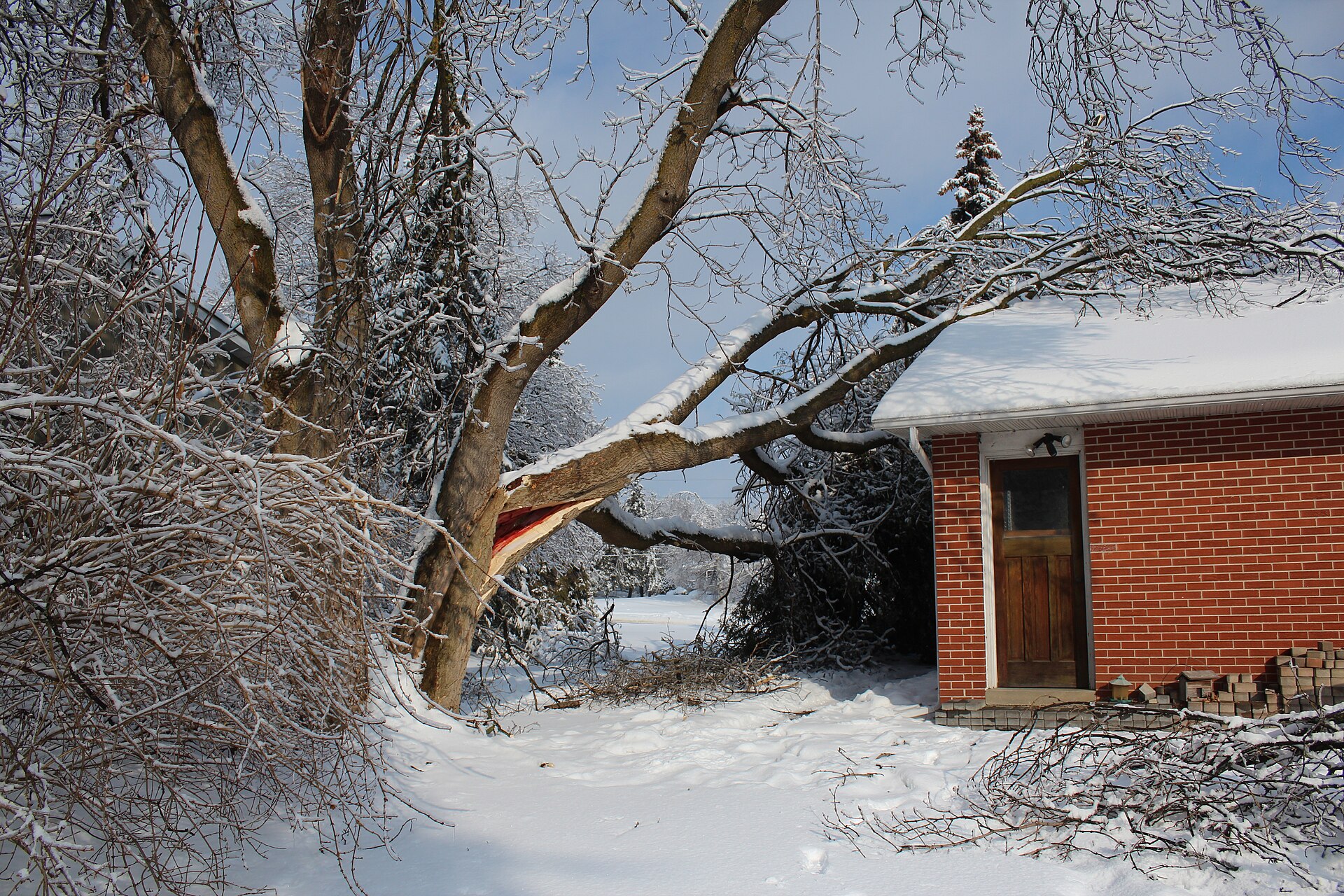
You can see the branches on the ground.
The roof damage is less obvious.
Most wind damage to roofing systems is not visible from street level. A manual inspection is the only way to know what is actually there.
From Damage to Claim
Wind damage documentation is only half the work. Getting it covered is the other half.
Our team handles the inspection, the adjuster meeting, and the estimate review. If an insurer disputes the wind speed threshold or tries to classify damage as pre-existing, we know how to respond. See how the full claims process works.
Common Questions
Wind damage and your roof.
Visible signs include missing shingles, shingles that appear curled or lifted at the edges, granules in your gutters, or damaged gutters and fascia. However, broken seal strips and compromised flashing are not visible from the ground. The only reliable assessment is a manual inspection by someone trained to identify all types of wind damage.
Related guides.
Think wind may have hit your roof?
Find out before the next storm does.
We will inspect your full roof manually, document everything we find, and tell you honestly whether you have a claim. Free. No obligation.
(816) 866-4235 · Smithville, Missouri · Missouri Licensed and Insured